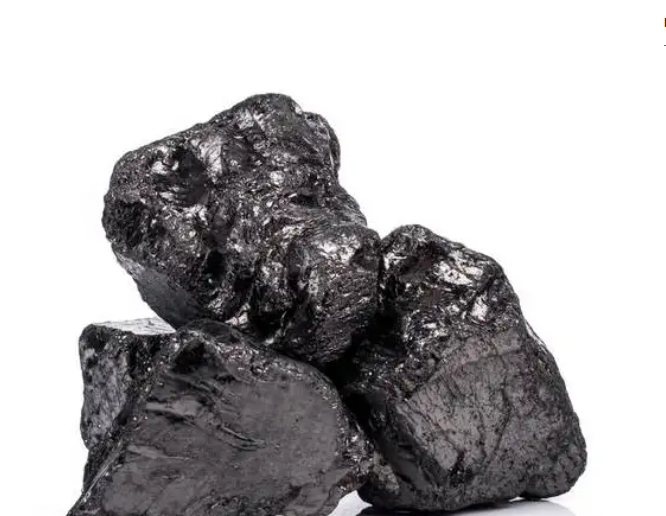
SBS modified asphalt uses base asphalt as the raw material, to which a certain proportion of SBS (styrene–butadiene–styrene triblock copolymer) modifier is added. Through processes such as shearing and stirring, the SBS is uniformly dispersed in the asphalt, while a specific stabilizer is added to form a blended material. The polystyrene segments and polybutadiene segments in SBS exhibit a phase-separated structure, which can form a three-dimensional spatial network structure with the asphalt matrix, thereby improving the temperature performance, elasticity, and durability of the asphalt. The physical modification process mainly occurs as SBS absorbs the saturate components in the asphalt and undergoes swelling, altering the distribution of asphalt components.
This material accounts for about 61% of the global asphalt demand and is widely used in high-grade highways, bridges, and projects such as the F1 track at the Shanghai International Circuit.